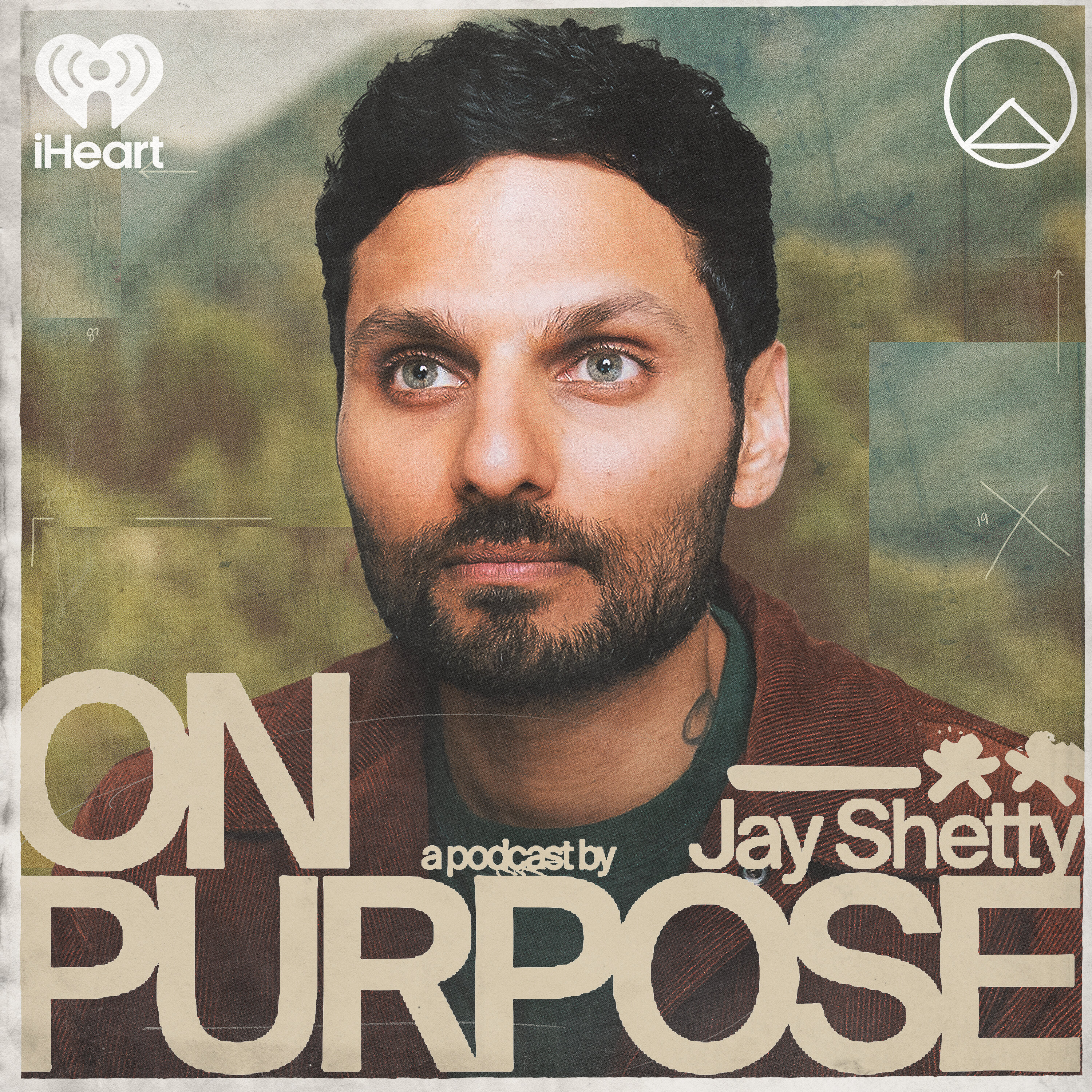
How to Fall in Love Without Losing Yourself This Year (5 Rules to Avoid Getting Stuck in the Wrong Relationship)
January 23, 2026
Key Takeaways Copied to clipboard!
- Love should expand your life and identity, not lead to erasure, dependency, or the sacrifice of your core self.
- The biggest mistake in love is confusing intensity with intimacy, being chosen with safety, and outsourcing your emotional healing to a partner.
- Long-term relationship success is predicted by maintaining a full life outside the relationship, honoring personal goals, and upholding the three core boundaries: autonomy, equity, and emotional honesty.
Segments
Losing Self in Relationships
Copied to clipboard!
(00:02:33)
Copied to clipboard!
- Key Takeaway: Dissolving one’s identity in a relationship leads to increased anxiety, conflict, and insecurity.
- Summary: People often disappear emotionally and mentally when they fall in love, causing their world to shrink and their sense of self to merge with their partner. Love is meant to reveal you, not erase you. If you find yourself losing yourself, it is often a choice you are making to keep someone else.
Principle 1: Love Brings More
Copied to clipboard!
(00:06:02)
Copied to clipboard!
- Key Takeaway: Love should add joy and opportunity for self-expression, not require sacrifice or shrinking your life.
- Summary: Love should bring more joy in rather than take more joy out, serving as a doorway to express yourself fully. A major predictor of long-term relationship success is how full your life is outside the relationship individually. Anchors—hobbies, friendships, and personal goals—keep you steady when relationship waves come.
Principle 2: Emotional Homework
Copied to clipboard!
(00:09:40)
Copied to clipboard!
- Key Takeaway: Partners can support healing, but they cannot be your healing; self-awareness must precede partnership.
- Summary: A common habit is outsourcing emotional healing for abandonment wounds or insecurities to a partner, which is outsourcing, not love. Healthiest relationships are built by people who bring self-awareness, naming anxiety or communicating triggers, rather than self-abandonment. You cannot expect someone to complete you if you refuse to face your own gaps.
Principle 3: Ignoring Signals
Copied to clipboard!
(00:14:01)
Copied to clipboard!
- Key Takeaway: Red flags like apologizing for non-faults or having goals feel smaller signal that you are losing yourself.
- Summary: Signs of losing yourself include a partner’s preferences overriding yours, your voice becoming quieter, and boundaries blurring. Healthy love will not punish your ambition or resent your independence; it encourages you to grow alongside, not beneath. Avoid red flags because you are attracted to the attention or hoping potential becomes reality.
Principle 4: Three Love Boundaries
Copied to clipboard!
(00:17:17)
Copied to clipboard!
- Key Takeaway: Healthy couples never compromise autonomy, equity (mutual giving/receiving), or emotional honesty in expressing discomfort.
- Summary: Autonomy means maintaining your own thoughts and choices without a partner projecting their goals onto you. Equity requires both people to give and receive, understanding that balance shifts over time but the willingness to show up remains. Emotional honesty allows you to express discomfort or fear without judgment or feeling weak.
Principle 5: Loving Your Life
Copied to clipboard!
(00:19:14)
Copied to clipboard!
- Key Takeaway: The right partner is inspired by your dreams and celebrates your identity, rather than requiring your disappearance to feel secure.
- Summary: If someone loves only the parts of you that serve them, it is possession, not love; real love wants to be a part of the life you are already living. Your person will want you to win and grow, as connection is not a competition. The healthiest relationships are built by two whole individuals walking side by side, never stopping their individual growth.
0:00 / 0:00