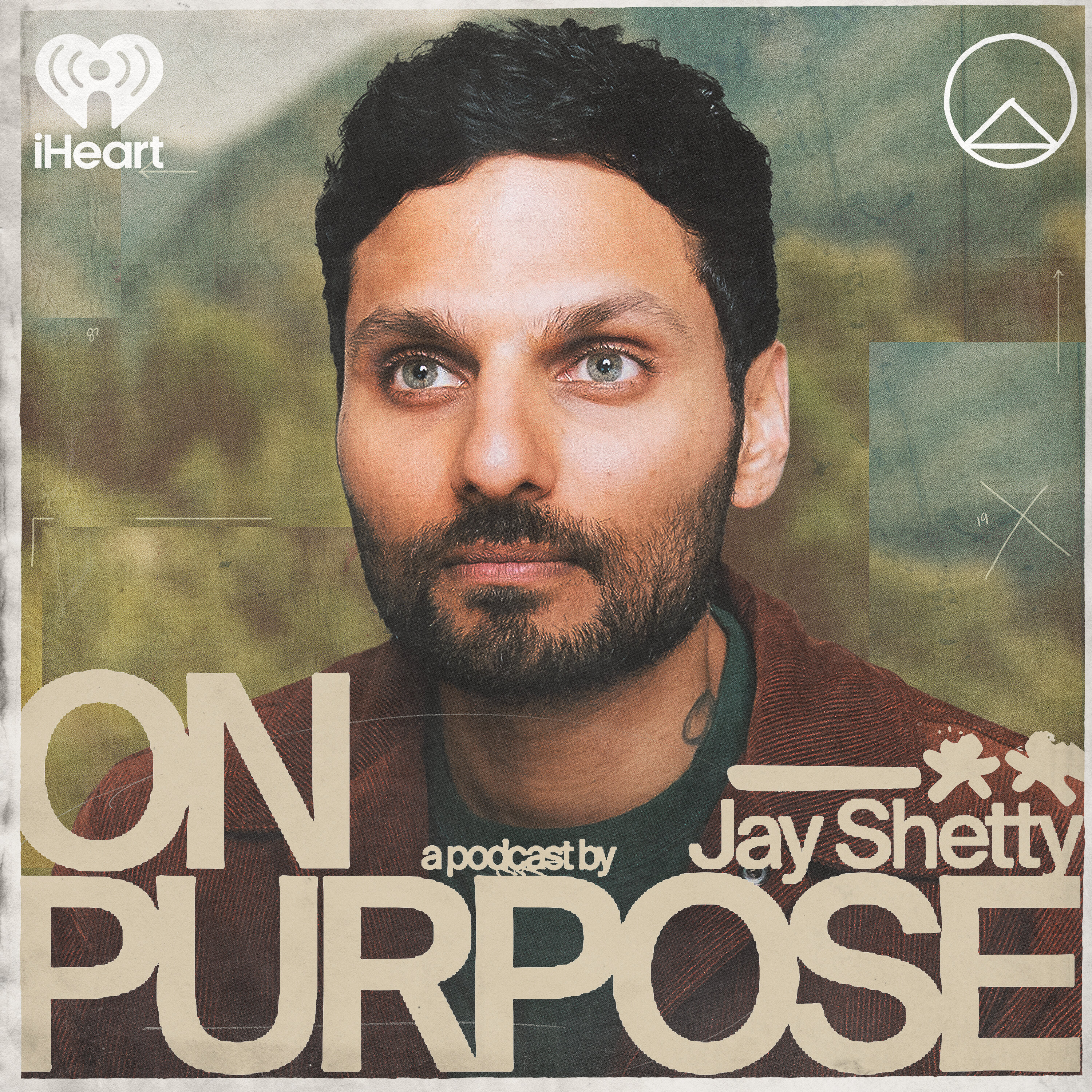
Mark Rober: Feeling Stuck in a Rut? Use THIS Simple 3- Step Method Engineers Use to FINALLY Turn Your Ideas Into Reality!
December 3, 2025
Key Takeaways Copied to clipboard!
- A childhood environment that encourages creativity and out-of-the-box thinking, exemplified by Mark Rober's mother, lays a crucial foundation for later success and innovation.
- The 'engineering mindset' involves embracing failure as a learning opportunity—a way to discover what doesn't work—rather than internalizing it as a personal flaw, similar to how one approaches a video game.
- Pragmatic career pursuit often involves moonlighting a passion project while maintaining a steady job until the side venture gains enough traction to warrant a full transition, mitigating the risk of immediate leaps of faith.
- Viral content succeeds by evoking one of five core emotions: adventure, humor, negativity/anger, inspiration, or surprise, meaning content focused purely on 'adding value' without feeling can fail to engage.
- The journey to creative success, like YouTube growth, requires setting low initial goals (e.g., uploading 10 videos) to destigmatize failure and iterate based on what works, rather than aiming immediately for fame or wealth.
- Laser focus and the ability to say 'no' to opportunities that are not an 'absolute hell yes' is a superpower that prevents dilution of effort and allows for deep commitment to chosen paths.
Segments
Childhood Creativity and Parental Influence
Copied to clipboard!
(00:03:34)
Copied to clipboard!
- Key Takeaway: Encouragement of creative, out-of-the-box thinking in childhood, like using swim goggles to cut onions, fosters a lifelong positive feedback loop for idea generation.
- Summary: Mark Rober credits his mother, a stay-at-home parent who barely graduated high school, with fostering his creativity by encouraging unconventional thinking and not punishing him for taking things apart. This early positive reinforcement for experimentation is linked to the addictive feeling he gets from sharing ideas and receiving feedback today. The impact of such early influences, like parents or teachers, often extends far beyond their immediate awareness.
NASA Interview Process and Engineering Mindset
Copied to clipboard!
(00:09:13)
Copied to clipboard!
- Key Takeaway: The engineering mindset is defined by resilience, viewing failure as data collection, and testing limits rather than achieving immediate perfection.
- Summary: Getting a job at NASA involved technical grilling, including solving physics riddles on a whiteboard, which tests analytical problem-solving under pressure. Thinking like an engineer means embracing the iterative process of building, testing, and breaking things to understand their limits, much like a toddler learning to walk. This philosophy contrasts sharply with common life reactions where a single failure leads to internalizing a personal deficiency.
Mars Rover Mission Objectives
Copied to clipboard!
(00:13:40)
Copied to clipboard!
- Key Takeaway: The Mars rover’s primary long-term goal is to assess habitability for future human settlement by studying soil, water, and radiation levels.
- Summary: The rover’s mission is foundational for humanity becoming a multi-planetary species, testing if basic needs like growing asparagus or finding water are feasible on Mars. Studying other planets, like Venus (a case of runaway global warming), also provides crucial data to better understand and protect Earth. Scientific discovery often involves gathering data without knowing the exact breakthrough outcome beforehand, focusing instead on answering key objectives like the presence of life.
Pragmatism vs. Passionate Pursuit
Copied to clipboard!
(00:16:26)
Copied to clipboard!
- Key Takeaway: The most likely path to pursuing a passion involves bootstrapping it alongside a steady job until the side venture’s success outpaces the primary income source.
- Summary: Parents often advise getting a ‘real job’ due to survivorship bias in success stories, but the pragmatic approach is to pursue the passion on nights and weekends first. This process proves to the individual whether they truly love the work, as they continue doing it when it is inconvenient and uncompensated. Mark Rober himself waited until he had 10 million YouTube subscribers before leaving his job at Apple.
Pivots: NASA to Halloween Costumes
Copied to clipboard!
(00:23:15)
Copied to clipboard!
- Key Takeaway: Viral success from a creative side project can lead to unexpected business ventures, such as turning a viral Halloween costume idea into a sellable product.
- Summary: Mark Rober’s first viral video involved an iPad-based costume, which led to feedback that the $1,200 cost was prohibitive. He then designed a cheaper, printed t-shirt version called ‘Digital Duds,’ which he launched as a company nights and weekends while still working at NASA. This side business proved successful enough to be sold, leading to a two-year stint working for the acquiring UK company.
Turning Ideas into Actionable Success
Copied to clipboard!
(00:28:50)
Copied to clipboard!
- Key Takeaway: Converting ideas into action relies on naive optimism to overcome the perceived magnitude of the work, followed by breaking the goal down using the engineering design process.
- Summary: Mark Rober attributes his ability to execute ideas to his ’naive optimism,’ believing he can achieve the end goal without being immediately discouraged by the required effort. The process involves defining the end goal, breaking it into manageable steps, and iteratively building and testing each component, smashing prototypes to understand their limits. Framing challenges like a video game—where failure is just data for the next attempt—shifts the mindset from fear to curiosity.
Engineering Love and Immersion Weekends
Copied to clipboard!
(00:35:14)
Copied to clipboard!
- Key Takeaway: Overcoming deep emotional setbacks, like betrayal in a relationship, requires applying the same iterative, trial-and-error approach used in engineering to personal growth.
- Summary: After a painful breakup, Mark Rober applied an engineering approach to dating by setting a goal to complete 30 FaceTime dates in 30 days to quickly assess connection viability. He also uses ‘immersion weekends’ to test new interests, dedicating 48 hours to intensely study a topic (like acting) to determine if he enjoys the process enough to pursue it further. This commitment to deep, focused testing helps clarify whether an endeavor aligns with one’s true interests.
Storytelling Over Technical Specs
Copied to clipboard!
(00:50:07)
Copied to clipboard!
- Key Takeaway: The ability to communicate ideas through compelling storytelling, rather than just presenting technical specifications, is a critical skill for large-scale cooperation and influence.
- Summary: Mark Rober learned at Apple that being a good storyteller is often more impactful than being an ‘okay’ engineer, as storytelling connects with people on an emotional level. Viral success, whether in business or personal life, hinges on evoking a visceral response, which allows ideas to be accepted and cooperation to occur. Apple’s marketing for products like AirPods focuses on the feeling derived from the product, not just the underlying technology.
Viral Content Emotion Formula
Copied to clipboard!
(00:55:11)
Copied to clipboard!
- Key Takeaway: Viral content is statistically proven to make people feel one of five specific emotions: adventure, humor, negativity/anger, inspiration, or surprise.
- Summary: A New York Times study on 7,000 viral pieces of content found that successful content evokes one of five feelings. Content that only attempts to teach or add value without generating an emotional response is unlikely to be among the top performers. Hiding educational content within entertainment is an effective strategy to engage viewers.
Starting a Creative Channel
Copied to clipboard!
(00:56:27)
Copied to clipboard!
- Key Takeaway: The two primary bad reasons to start a creative endeavor like a YouTube channel are the pursuit of wealth or fame.
- Summary: Creators should focus on passion as a creative outlet rather than chasing metrics like subscribers or wealth, especially in the early stages. The key to overcoming the slow start (getting the first thousand subscribers) is to set low, actionable goals, like uploading 10 videos in 10 weeks, treating the process as prototyping and iteration.
Scaling Creative Voice
Copied to clipboard!
(01:00:02)
Copied to clipboard!
- Key Takeaway: The transition from 1,000 to 100,000 subscribers involves developing a process and solidifying one’s unique voice, often by initially copying successful styles.
- Summary: Mark Rober maintained a consistent, slower pace of one video per month because he prioritized his creative comfort over chasing the algorithm’s demand for daily content. Protecting one’s creative style and being good at saying ’no’ prevents burnout from chasing trends or opportunities that do not align with one’s core vision.
Behind Viral Video Failures
Copied to clipboard!
(01:04:16)
Copied to clipboard!
- Key Takeaway: Major viral successes, like the Jell-O pool video, often involve significant technical difficulty, numerous failures, and high stress, contradicting the appearance of effortless execution.
- Summary: The world’s largest Jell-O pool required a full week of work, eight different failures, and involved complex technical challenges like boiling Jell-O in 55-gallon drums and managing temperature fluctuations. Similarly, the egg drop from space video required abandoning the initial guided missile approach and consulting NASA experts on terminal velocity and landing mechanics.
Curiosity as the Root of Ideas
Copied to clipboard!
(01:12:02)
Copied to clipboard!
- Key Takeaway: Constant learning and idea generation stem from a deeply ingrained curiosity that prompts observation and questioning of everyday phenomena.
- Summary: The most interesting finding in science is not ‘Eureka’ but the phrase, ‘That’s interesting,’ which signals an unexpected observation requiring deeper investigation. Mark Rober acts as a ‘fire starter,’ igniting curiosity in his audience by sharing fascinating nuggets of knowledge, like the difference between predator and prey eye placement.
Creative Process and Planning
Copied to clipboard!
(01:13:39)
Copied to clipboard!
- Key Takeaway: Successful content creators can maintain a long-term, evergreen content pipeline by planning ideas a year or more in advance, avoiding reactive content creation.
- Summary: Mark Rober maintains a year-and-a-half backlog of planned videos, ensuring his content is evergreen rather than reacting to current trends like AI. Ideas often emerge organically from daily life, such as solving a squirrel bird feeder problem or responding to a stolen package, which then evolve into large-scale projects.
AI Growth and Societal Impact
Copied to clipboard!
(01:25:51)
Copied to clipboard!
- Key Takeaway: The primary concern regarding AI is not whether it will develop a soul, but whether the humans building it possess a soul, as created technology ultimately reflects its creators.
- Summary: The potential danger of superintelligence is compared to sparrows raising an owl that ultimately consumes them, suggesting advanced AI could pose an existential threat if its goals diverge from human well-being. While AI could solve scarcity issues, history shows that humanity often reacts to new technology (like social media) only after negative consequences, like mental health issues, emerge.
Influencing Sphere and Global Action
Copied to clipboard!
(01:30:13)
Copied to clipboard!
- Key Takeaway: A life hack for managing overwhelming global issues is to focus energy only on what is within one’s personal sphere of influence.
- Summary: Mark Rober and MrBeast successfully galvanized creators to raise $40 million for clean drinking water, with the median donation being only $5, demonstrating the power of collective small actions. This type of initiative plants seeds for global citizenship, encouraging participants to care for the environment and others because they are invested in the cause.
Final Five Insights
Copied to clipboard!
(01:34:39)
Copied to clipboard!
- Key Takeaway: A crucial law for healthier online discourse would be mandating that users articulate the opposing viewpoint before sharing content that makes them angry.
- Summary: The best advice received is ‘This too shall pass,’ acknowledging both good times and bad times are temporary due to regression to the mean. Mark Rober learned that one should not try to ’think away’ unproductive thoughts, recognizing the mind is the sky, not the weather passing through it. Spider legs operate hydraulically, which explains why they curl up upon death when fluid pressure is lost.
0:00 / 0:00